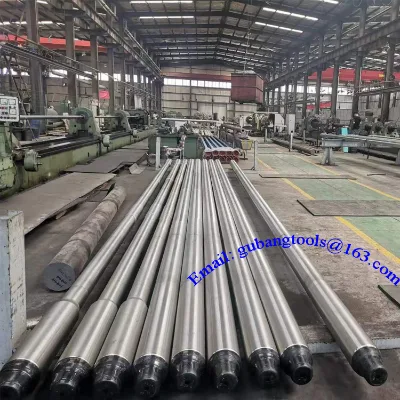
Source Forging Air Operated Drill Collar for Oil Mining, Coal Mining, Well Drilling
Compare 30 verified listings for forging air operated drill collar designed for oil mining, coal mining, and well drilling applications. Buyers can evaluate specifications, prices, and customization options from suppliers in China; compare the available evidence and request quotations based on your requirements.
Key considerations
Products List




Comprehensive Sourcing Guide
Forging Air Operated Drill Collar Sourcing Guide
Procuring forging air operated drill collars requires a disciplined approach to balancing mechanical integrity with operational efficiency in demanding drilling environments. These components serve as critical stiffeners in the bottom hole assembly, providing weight and stability to the drill string while transmitting torque to the bit. Buyers must recognize that the manufacturing process, specifically forging, significantly influences the grain structure and fatigue resistance of the collar, making it a primary differentiator in product quality. Understanding the specific metallurgical advantages of forged alloys over cast alternatives is essential for ensuring long-term reliability in high-stress applications.
The sourcing landscape for these specialized tools is characterized by a high degree of customization and regional manufacturing hubs, particularly in China. Suppliers often offer a wide range of models, from standard sizes to non-magnetic variants, catering to diverse drilling requirements such as oil mining, coal mining, and well drilling. Buyers should navigate this market by focusing on verified manufacturing capabilities rather than generic listings, ensuring that the selected supplier can meet precise dimensional and material specifications. This guide outlines the key technical, commercial, and quality assurance factors necessary for making informed procurement decisions in this niche sector.
Product Scope and Observed Listing Signals
The observed market for drill collars reveals a diverse product range with prices spanning from fifty to thirty thousand US dollars, reflecting variations in size, material grade, and manufacturing complexity. Listings frequently highlight customization options, allowing buyers to specify dimensions such as six-inch diameters or specific model numbers like East Heavy. The minimum order quantity typically ranges from one to five pieces, indicating that suppliers are equipped to handle both single-unit replacements and small batch orders for specialized projects. This flexibility is crucial for maintaining drilling operations without the burden of excessive inventory holding costs.
Material composition and surface treatment are prominent features in current product listings, with many items constructed from high-strength non-magnetic austenitic alloy steel or similar advanced alloys. Surface treatments vary from polishing and galvanizing to spray-painting and chrome plating, each offering distinct protective benefits against corrosion and wear. The origin of these products is predominantly China, with specific manufacturing hubs in regions like Henan and Shandong. Buyers should carefully review the stated material grades, such as Cywz-2, and verify that the surface treatments align with the environmental conditions of the intended drilling site to prevent premature failure.
Technical Specifications to Verify
Verifying the technical specifications of drill collars is paramount to ensuring compatibility with existing drilling equipment and operational safety. Buyers must confirm the exact dimensions, including outer diameter and inner diameter, which are often customizable to fit specific drill pipe connections. The working pressure and operation pressure ratings are critical parameters that define the collar's performance limits under downhole conditions. It is essential to distinguish between atmospheric pressure ratings and the actual working pressure capabilities, such as those associated with Bottom Hole Assemblies (BHA), to avoid selecting components that may fail under operational stress.
Material properties and manufacturing processes further define the technical suitability of the product. Forging is a key manufacturing process that enhances the structural integrity of the collar, and buyers should verify that the supplier utilizes this method rather than casting or machining alone. The magnetic property of the collar, particularly for non-magnetic variants used in directional drilling, must be confirmed to ensure it does not interfere with measurement-while-drilling tools. Additionally, the weight of the component, often listed around five hundred kilograms for standard models, impacts the overall weight on bit calculation, making precise weight verification a necessary step in the procurement process.
Compliance and Safety Documentation
Compliance with industry standards is a non-negotiable aspect of sourcing drill collars, particularly for applications in oil and gas drilling. Buyers should request documentation confirming adherence to API standards, which are widely recognized for ensuring the quality and safety of drilling equipment. The presence of API certificates indicates that the manufacturer has undergone rigorous testing and quality control processes. However, buyers must verify the validity and scope of these certifications, as some listings may claim compliance without providing verifiable documentation from accredited bodies.
Safety documentation also includes detailed inspection reports and outgoing inspection videos provided by the supplier. These resources offer transparency into the manufacturing quality and allow buyers to visually assess the finish and construction of the drill collars before shipment. Buyers should insist on comprehensive material test reports that detail the chemical composition and mechanical properties of the alloy steel used. Ensuring that all safety and compliance documents are up-to-date and specific to the ordered batch is essential for mitigating liability and ensuring operational safety in the field.
Cost Drivers and Commercial Terms
The cost of forging air operated drill collars is influenced by several factors, including material costs, manufacturing complexity, and customization requirements. High-strength non-magnetic alloys and specialized surface treatments like tungsten carbide spray can significantly increase the base price. Buyers should analyze the price range in the context of the specified material grade and manufacturing process to ensure they are receiving fair value. Negotiating based on volume or long-term partnership potential can help mitigate the higher costs associated with custom specifications and premium materials.
Commercial terms such as lead time, payment conditions, and packaging are critical components of the procurement agreement. Typical lead times are around twenty days after deposit, but this can vary based on the complexity of the order and current production schedules. Packaging methods, ranging from steel frames with plastic covers to wooden cases, must be selected to ensure the collars arrive in pristine condition, especially for international shipments. Buyers should clarify all delivery terms and ensure that the packaging meets seaworthy standards to prevent damage during transit, which could lead to costly delays and replacements.
Supplier Qualification and Quality Control
Evaluating supplier qualifications is essential for ensuring a reliable supply chain for drill collars. Buyers should prioritize suppliers who demonstrate a strong track record in manufacturing high-quality drilling components, particularly those with experience in forging and CNC milling processes. The availability of OEM and ODM customization services indicates a supplier's flexibility and technical capability to meet specific buyer requirements. Verifying the supplier's production capacity and quality management systems is crucial for maintaining consistent product quality across multiple orders.
Quality control measures, including video outgoing inspections and detailed weight verification, provide an additional layer of assurance for buyers. Suppliers who offer these transparent quality checks demonstrate a commitment to product integrity and customer satisfaction. Buyers should request detailed inspection reports that cover dimensional accuracy, surface finish, and material properties. Establishing a clear quality assurance protocol with the supplier, including agreed-upon acceptance criteria and rejection procedures, helps minimize the risk of receiving non-conforming products and ensures that the drill collars meet the required operational standards.
Long-Term Procurement Checks
Establishing long-term procurement relationships with drill collar suppliers requires ongoing monitoring and evaluation of performance metrics. Buyers should regularly review supplier delivery times, product quality, and responsiveness to issues to ensure continued reliability. Tracking the performance of drill collars in the field, including any instances of failure or wear, provides valuable feedback for future procurement decisions. This data-driven approach helps buyers identify trends and make informed adjustments to their sourcing strategies, ensuring that they continue to receive high-quality components that meet their operational needs.
Continuous engagement with suppliers regarding technological advancements and market trends can also enhance the procurement process. Suppliers who stay updated on the latest materials and manufacturing techniques can offer improved products that enhance drilling efficiency and safety. Buyers should encourage open communication and collaboration with their suppliers to foster a partnership that benefits both parties. By maintaining a proactive approach to supplier management, buyers can secure a stable supply of high-quality drill collars and mitigate risks associated with supply chain disruptions or quality inconsistencies.
FAQs
What customization options are available for forging air operated drill collars?
Customization is available for forging air operated drill collars to meet specific project needs. You can request custom models, standards, and surface treatments like polishing or galvanizing. The manufacturer accepts OEM and ODM requests, allowing you to tailor specifications such as size and material grade to your exact requirements.
Which certifications do forging air operated drill collar manufacturers hold?
Manufacturers of forging air operated drill collars hold API certification to ensure product quality and safety. This certification validates that the drilling tools meet international industry standards. Buyers can verify these credentials through provided video outgoing-inspection services before finalizing any purchase agreement for their mining or drilling operations.
How long is the lead time for forging air operated drill collar orders?
The standard lead time for forging air operated drill collar orders is typically 20 days. Delivery occurs days after the deposit is received. This timeline allows for proper manufacturing processes like CNC milling or forging, ensuring each unit meets the required specifications before being packed in steel frames or wooden cases.
Can I order a single piece of forging air operated drill collar?
Yes, you can order a single piece of forging air operated drill collar as the minimum order quantity starts at one piece. Some suppliers may also list five pieces as an option, but negotiation is often possible. This flexibility allows buyers to test products or fulfill small-scale drilling project needs without large initial commitments.
What materials are used to make forging air operated drill collars?
Forging air operated drill collars are made from high-strength non-magnetic austenitic alloy steel. Specific material grades like Cywz-2 are used to ensure durability in harsh environments. These materials provide advanced non-magnetic properties essential for oil drilling downhole tools used in well drilling and ore mining applications.
Where are forging air operated drill collar manufacturers located?
Manufacturers of forging air operated drill collars are located in China, specifically in Henan, Shandong, and Dongying regions. These locations serve as the primary origin for exporting these tools to markets in the Middle East, Russia, South America, and North America. Buyers can expect standard export packaging from these established industrial hubs.
What is the working pressure range for forging air operated drill collars?
The working pressure for forging air operated drill collars is categorized under Bottom Hole Assembly or BHA specifications. While atmospheric pressure is noted for some operations, the tools are designed for high-pressure downhole environments. This ensures reliable performance during oil mining, coal mining, and well drilling activities where pressure conditions vary significantly.